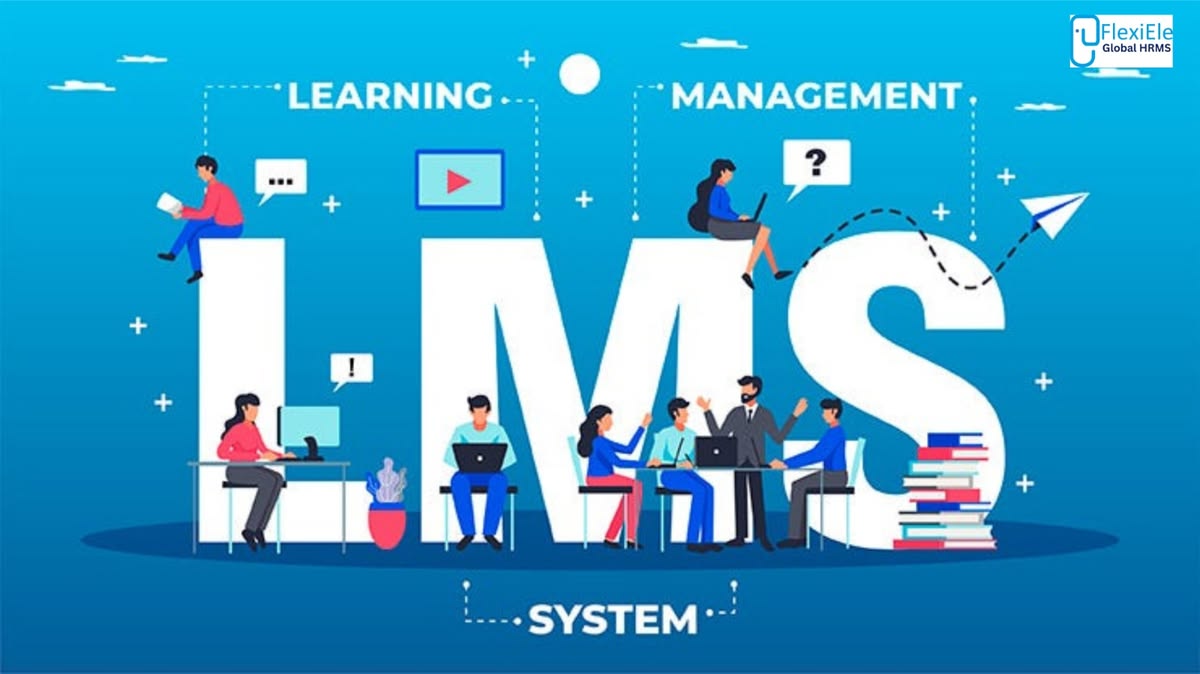
What Is a Learning Management System?
A Learning Management System, commonly known as an LMS, is a digital platform that enables educational institutions and organisations to create, deliver, manage, and track learning content and student progress — all in one place.
Think of it as the engine that powers online education. Without an LMS, running a fully online institute like CTPA would be nearly impossible. It is what allows students in Uganda, Kenya, Tanzania, Rwanda, and across Africa to access course materials, submit assignments, sit assessments, and receive feedback — all from their phones or computers.
How Does an LMS Work?
An LMS operates on a straightforward principle: connect learners with content and instructors in a structured, trackable environment.
Here is how it typically works:
- Institutions upload content — lectures, videos, PDFs, quizzes, and assignments are loaded into the system
- Students enrol in their chosen programs and gain access to their course dashboard
- Learning happens online — students read, watch, and engage with the material at their own pace
- Assessments are administered — quizzes and assignments are submitted and graded within the platform
- Progress is tracked — both students and administrators can monitor completion rates, grades, and performance
- Certificates are issued — upon successful completion, the system generates and delivers certifications
Key Features of a Good LMS
Not all learning platforms are equal. A high-quality LMS should offer the following:
1. User-Friendly Interface
Students should be able to navigate the platform easily without technical training. A clean, mobile-responsive design is essential — especially in Africa where most learners access the internet via smartphones.
2. Course and Content Management
Instructors need tools to upload structured content — organised by modules, units, and weeks — with clear progression paths for students.
3. Assessment and Grading Tools
Built-in quizzes, assignment submission portals, and grading dashboards allow educators to evaluate student performance efficiently and fairly.
4. Student Progress Tracking
Real-time dashboards showing who has completed what, who is falling behind, and who is excelling — giving administrators actionable insights.
5. Communication Tools
Messaging systems, announcements, and notification features keep students informed and connected to their instructors and institution.
6. Certification Management
Automated generation and delivery of certificates upon course completion — a critical feature for professional development programs.
7. Mobile Accessibility
With millions of African professionals relying on mobile devices, a good LMS must work seamlessly on Android and iOS without requiring a laptop or desktop.
Why LMS Platforms Are Transforming Education in Africa
Africa is experiencing a digital learning revolution. Here is why the LMS model is perfectly suited for the continent:
- Geography is no barrier — a student in rural Uganda can access the same quality education as someone in Kampala
- Affordability — online learning through an LMS dramatically reduces the cost of education by eliminating travel, accommodation, and physical infrastructure costs
- Flexibility — working professionals can study after hours, on weekends, or during lunch breaks without disrupting their careers
- Scalability — an LMS can serve 100 students or 100,000 students without a proportional increase in cost
- Real-time feedback — students receive instant results on quizzes and timely feedback on assignments, keeping them motivated
- Data-driven decisions — institutions can use performance data to improve programs, identify struggling students early, and measure educational outcomes
How CTPA Institute Uses Its LMS
At CTPA Institute, our learning management system is at the heart of everything we do. Here is how our platform serves our students every day:
- Student Portal — every enrolled student gets a personalised dashboard showing their program, assignments, results, and announcements
- Assignment Submissions — students submit coursework directly through the portal, and instructors grade and return feedback digitally
- Assessments — quizzes and final assessments are administered securely through the platform with automatic marking for MCQ components
- Notifications — students receive instant alerts about deadlines, new content, results, and announcements
- Support Tickets — students can raise issues directly through the portal and track the status of their queries
- Certificates — upon successful program completion, certificates are generated and made available for download
Our LMS ensures that whether you are studying from Kampala, Nairobi, Dar es Salaam, or Lagos, you receive the same high-quality, structured learning experience.
LMS vs Traditional Classroom: A Quick Comparison
| Feature | Traditional Classroom | LMS-Based Learning | |---|---|---| | Location | Fixed physical venue | Anywhere with internet | | Time | Fixed schedule | Flexible, self-paced | | Cost | High (transport, venue, materials) | Low (digital delivery) | | Access | Limited to local students | Open to all across Africa | | Feedback | Delayed (manual marking) | Fast (instant or near-instant) | | Certificates | Physical, slow to issue | Digital, issued automatically | | Scalability | Limited by classroom size | Virtually unlimited |
Popular LMS Platforms Around the World
While CTPA operates its own custom-built platform, some of the most widely used LMS platforms globally include:
- Moodle — open-source and widely used by universities worldwide
- Canvas — popular in higher education institutions in the USA and UK
- Blackboard — a veteran in the enterprise education space
- Google Classroom — simple and effective for schools and short courses
- Teachable and Thinkific — popular among independent instructors and professional training providers
- TalentLMS — widely used for corporate training and staff development
Each platform has its strengths, but what matters most is whether the LMS fits the specific needs of the institution and its learners.
The Future of LMS Technology
Learning management systems are evolving rapidly. Here is what the future holds:
- Artificial Intelligence — AI will personalise learning paths, recommend content, and predict which students need extra support before they fall behind
- Gamification — points, badges, leaderboards, and rewards will make online learning more engaging and motivating
- Microlearning — short, focused learning modules of 5 to 10 minutes will become the norm for busy professionals
- Video-First Content — live and recorded video lectures will dominate, bringing the classroom experience online
- Blockchain Certificates — tamper-proof digital certificates stored on blockchain will increase the credibility of online qualifications
- Offline Access — downloadable content will allow students in areas with poor connectivity to learn without a live internet connection
Conclusion
A Learning Management System is not just a tool — it is the foundation of modern, scalable, and inclusive education. For African professionals seeking to advance their careers without leaving their jobs or their communities, the LMS is the single most powerful enabler of that ambition.
At CTPA Institute, we are proud to deliver world-class professional certification programs through a robust, student-friendly digital platform — because we believe that geography should never be a barrier to excellence.
Ready to experience the CTPA learning platform for yourself? Apply today and join over 1,300 professionals already studying online across Africa.